
Uttarakhand mountains seek answers to man-animal conflict, man eating leopard put down in Pauri Garhwal
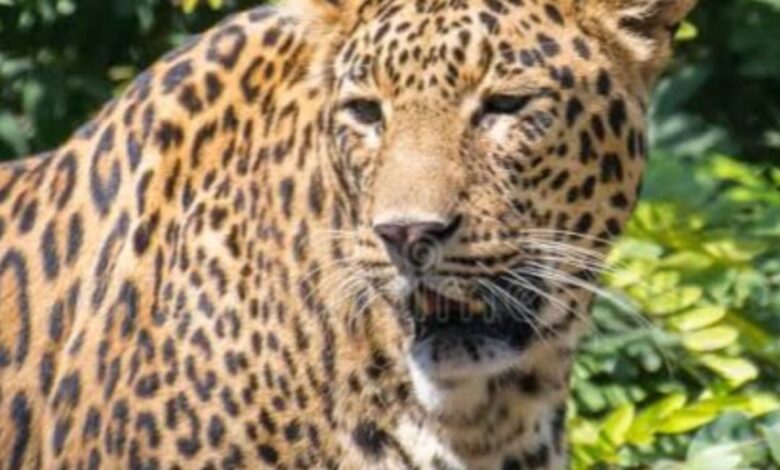
Uttarakhand mountains seeks answers to man-animal conflict, man eating leopard put down in Pauri Garhwal
Prem Prakash Upadhyay “Natural”
Bageshwar, Dec 11
Following strict instructions by Uttarakhand Chief Minister to protect human lives from man eating wild animals, a man- eating leopard which had killed a villager few days ago was shot dead by sharp shooters deployed by the forest department in Gazlad village of Pauri Garhwal district on Wednesday night. Joy Hukil, the ace sharp shooter brought down the man -eating leopard bringing great relief to the villagers of the area.
But is killing of man-eating wild animals the only solution? The hill villages of Uttarakhand are living through an unspoken terror. Once known for their calm forests and quiet trails, these settlements are now surrounded by a growing presence of leopards and wild bears. The boundary between jungle and habitation seems to have vanished and it is the people who are paying the price for this shrinking divide.
“Earlier we feared the nights, now even during the days we feel unsafe,” said a villager of Bageshwar. The same sentiment echoes across villages in the state. While earlier, leopards and bears once emerged only after dark, villagers now spot them in broad daylight on open pathways, along field embankments, and even close to homes. Children no longer walk to school alone. Women avoid the forests for firewood and water. Elderly residents lock their doors the moment dusk begins to fall.
“The peace of the mountains,” villagers say, “survives only in memory now.”
Recent months have seen a sharp increase in incidents of attacks by wild animals. Women are attacked while working in fields, Children are chased on their way back from school, cows, calves and goats dragged away from inside courtyards. Many families remain traumatised and are demanding urgent action from authorities.
Experts point to several human-driven factors behind the rise in encounters namely rapid deforestation, expanding construction activity in the hills, sharp decline in natural prey and shrinking forest habitat. This disruption of ecological balance is now knocking on every village doorstep.
Villages Turn Into Fortresses, Homes Into Bunkers.
The lifestyle of the mountains has undergone a stark transformation. Where children once played freely in courtyards, iron grills now cover entrances. Where women worked in fields until late evening, those fields now lie empty as soon as the sun dips. The hills are paying for safety with a loss of everyday freedom.
Forest Department Efforts Fall Short on the Ground.
The Forest Department is increasing surveillance, installing trap cameras and stepping up patrols. But villagers remain unconvinced. “An attack scars us instantly,” they ask. This has led to rising frustration across affected villages. What Must Be Done? The Hills Are Demanding Answers. Experts and locals agree on one point, the solution lies not in merely capturing leopards, but in restoring balance.
Some of the suggestions include clearly demarcated human–wildlife boundaries, safety training for villagers, solar fencing and alert-line systems, faster compensation mechanisms and deployment of specialised wildlife response teams.
The mountains are not just landscapes, they are home to thousands of families. Fear has seeped into the mountain air and if not tackled in time, it will only deepen the crisis. The growing presence of leopards and bears is a stern warning of disbalance between nature and human life.