
Pertinent issues regarding ‘Madrassas’ in the light of newly formed Uttarakhand Minority Education Authority raised
Pertinent issues regarding ‘Madrassas’ in the light of newly formed Uttarakhand Minority Education Authority raised
Dehradun, Feb 5
Khursheed Ahmed Siddiqui, a social worker of the minority Muslim community in a letter written to the Uttarakhand Chief Minister Pushkar Singh Dhami has raised some pertinent issues regarding the protection of public charitable properties and donations in the event of the closure of Madrasas to be declared ineligible by the newly formed Uttarakhand Minority Education Authority, which would administer and regulate minority education, particularly Madrasa education, in the State of Uttarakhand.
He pointed that there was fear that the establishment of a new authority in place of the Uttarakhand Madrasa Board may result in the misuse or misappropriation of public assets vested in the ‘Madrasas’. Therefore, it seems absolutely necessary to identify and address the potential adverse consequences in advance.
Khursheed Admed Siddiqui said that the objective of improving education, transparency, and incorporating secular themes is commendable, However, it is necessary to draw attention to the serious public interest issues arising from the re-registration of Madrasas and the potential closure of Madrasas that fail to meet the prescribed criteria.
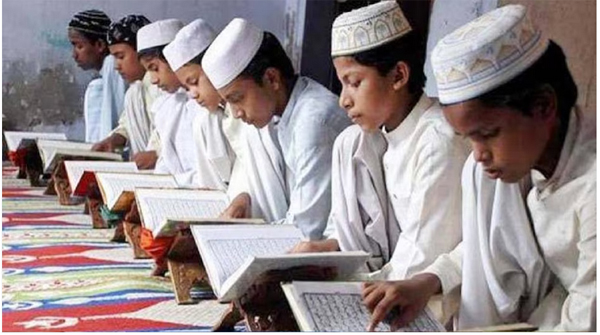
Most madrasas in Uttarakhand—whether previously registered or unregistered—have been established, operated, and sustained through public donations, zakat, sadaqa, and community support. The land, buildings, and movable and immovable properties of such madrasas are inherently public charitable properties, held in trust for religious and educational purposes. Their managers or committee members are merely custodians, not owners—morally or legally.
He said that against this backdrop, clarity and safeguards are expected from the government on the following points:
- If a ‘Madrasa’ is found ineligible for registration under the new authority and is closed, what mechanisms will be in place to ensure that its publicly funded assets are not misused, sold, or converted for private purposes?
- Will a mandatory audit of the land, buildings, infrastructure, and financial resources of such madrasas be conducted before or at the time of closure, ensuring accountability of the managing body?
- Will the government formulate clear rules for the transfer or continued charitable use of these properties, such as: Transfer to eligible and recognized madrasas, use for minority or public educational purposes, management under an appropriate statutory or charitable institution.
- if cases of misuse, misappropriation, or misappropriation of public donations emerge after closure, what legal action is proposed?
- If these issues are not addressed promptly, they could have serious consequences—such as criminal breach of trust, civil disputes, erosion of public confidence in minority educational institutions, and social unrest.
Siddiqui said that public donations given in good faith for the purpose of education must be protected and used for that purpose in all circumstances. He requested the Chief Minister to ensure that, alongside the process of reforming madrasa education, clear policy guidelines and legal safeguards are put in place to prevent any misuse of public charitable properties. He expressed hope that the state government will consider these issues in accordance with constitutional values, public accountability, and the spirit of social justice.