

Colouring their own futures with dignity and entrepreneurship through a healthier ‘Holi’ in Bageshwar
Colouring their own futures with dignity and entrepreneurship through a healthier ‘Holi’ in Bageshwar
Prem Prakash Upadhyay “Natural”
Bageshwar, Feb 27
As the festival of colours approaches, a quiet yet powerful transformation is taking place in the hills of Bageshwar. While markets across the country are often flooded with synthetic dyes promising brighter hues, a group of determined rural hill women have chosen a different path — one rooted in nature, health, and self-reliance.
The Shri Krishna Women Self-Help Group of Majiakhet has stepped forward with an inspiring initiative of preparing natural ‘Abir’ and ‘Gulal; from fruits, flowers, and vegetables. At a time when chemical-based colours continue to pose risks to skin, eyes, and the environment, this effort is both timely and socially significant.
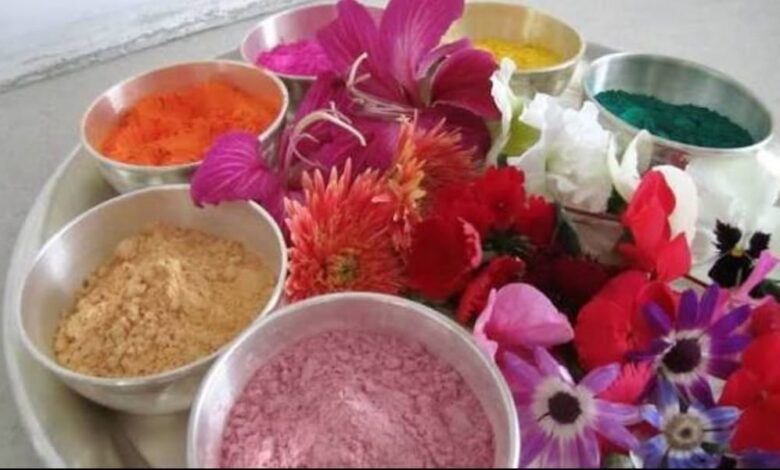
Under the leadership of Sunita Verma, 13 women are crafting herbal colours using locally available resources. Marigold flowers yield a vibrant yellow, rose petals create a soothing pink, beetroot and carrot produce a rich red, while spinach and mustard leaves offer a refreshing green. These colours are not merely festive powders; they are symbols of sustainability and conscious celebration.
The importance of such an initiative goes beyond the festival itself. Every year, concerns arise about skin allergies, water contamination, and the hazardous effects of synthetic dyes. By ensuring that no chemical-based substances are used, these women are promoting a ‘Holi’ that is safe for children, elders, and the environment alike.
Equally noteworthy is the economic dimension of this effort. Around 50 kilograms of natural colours have already been prepared and sold, with a target of exceeding one quintal before ‘Holi’. With a modest profit margin of ₹10 per packet, the initiative is helping generate additional income for rural households. In hill districts, where livelihood opportunities are limited, such seasonal enterprises can make a meaningful difference.
This model of community-driven production reflects the growing strength of self-help groups in Uttarakhand’s rural economy. Women like Sunita Parihar, Govindi, Mohini, Durga, Bhavana, Pooja, Babita, Deepa, Prema, Monica, Lovely, and Ganga Kirmolia are not just producing colours they are colouring their own futures with dignity and entrepreneurship.
The effort in Bageshwar deserves wider recognition and support. If consumers consciously choose natural alternatives, they not only protect their health but also strengthen grassroots livelihoods. Festivals in India have always carried deeper cultural and social meaning. ‘Holi’, the celebration of joy and togetherness, can also become a celebration of sustainability and empowerment.
In the hills of Bageshwar, this ‘Holi’ carries a hopeful message: when tradition meets responsibility, colours become more than decoration they become instruments of change.
These show colourful ‘Holi’ powders in yellow, pink, green and orange tones made from flowers (like marigold, rose, tesu), beetroot, spinach and other natural sources instead of chemicals.