Uttarayani: Bageshwar’s living heritage in need of recognition.
Uttarayani: Bageshwar’s living heritage in need of recognition.
Prem Prakash Upadhyay “Natural”
Bageshwar, Jan 16
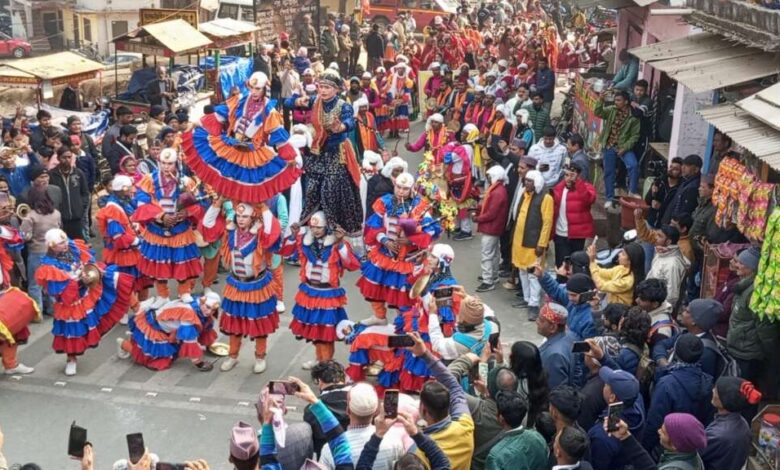
Every year, as winter begins to loosen its grip in the Kumaon hills, Bageshwar comes alive with the Uttarayani Fair—an event that is far more than a religious congregation or a cultural spectacle. Rooted deeply in history, the fair stands as a living inheritance of the region, reflecting its collective memory, social consciousness, and enduring identity.
The origins of the Uttarayani Fair date back to the Katyuri era, with traditions linking it to ‘Makar Sankranti’, the start of Hindu new year, as early as the seventh century. Its growth under the Chand rulers, particularly after the renovation of the Bagnath Temple, marked a turning point. What began as a local religious observance gradually evolved into a major cultural and commercial hub. Traders from Tibet, Nepal, China, and distant parts of India once converged here, often relying on barter systems that sustained trans-Himalayan trade and strengthened regional ties.
However, to view Uttarayani merely as a historical market would be to miss its deeper significance. In 1921, the fair became a platform for resistance against the exploitative ‘Coolie Begar’ system of British colonial rule, embedding it firmly within India’s freedom movement. This moment transformed Uttarayani into a symbol of social awakening, where faith, commerce, and political consciousness intersected.
Even today, the fair preserves its cultural essence through folk traditions—resonant Jhora and Chanchari songs, energetic Bair and Bhagnoul dances, and rituals that continue to bind generations together. Despite the growing presence of modern sponsorships and commercial influences, the core spirit of Uttarayani remains resilient, echoing the values of community and continuity.
Yet, a striking contradiction persists. Despite its immense historical, cultural, and social importance, the Uttarayani Fair has not been accorded official recognition as a state fair. This lack of formal status not only undermines its legacy but also reflects a broader indifference toward safeguarding living heritage.
Uttarayani is not just an annual event; it is a bridge between past and present, a reminder of Bageshwar’s role in shaping regional identity and social change. Recognizing and preserving such traditions is not an exercise in nostalgia—it is an affirmation of history, culture, and collective resilience.
As Uttarayani continues to draw crowds and carry forward centuries-old traditions, the question remains: will institutions rise to acknowledge its true stature, or will this living heritagee be left to survive solely on the strength of public faith?
Among the various activities like cultural, sports, music, hot air balloon and classical dance and painting are becoming focus in fair.
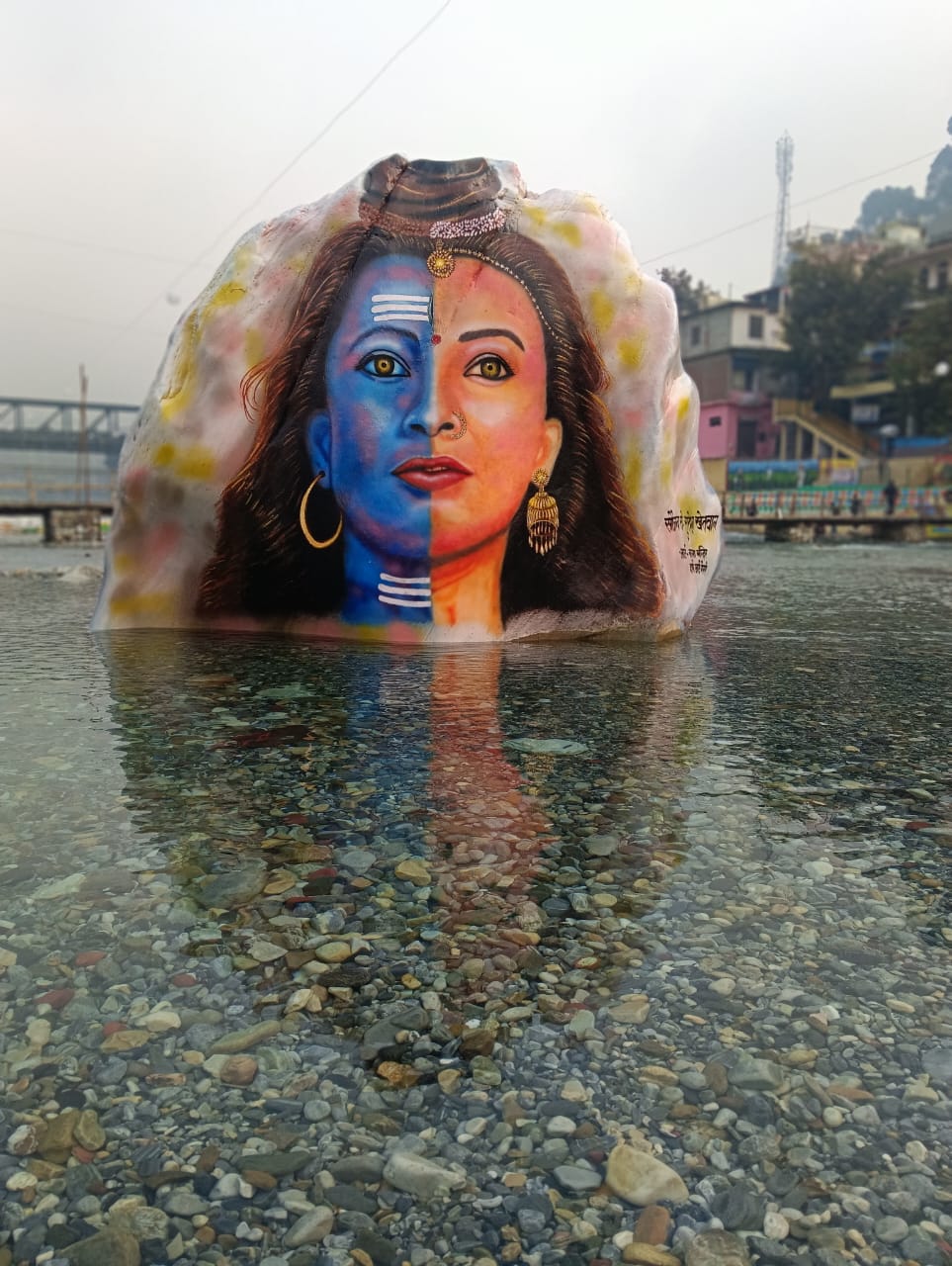
A magnificent painting depicting Lord Shiva in his Ardhanarishvara form, carved on a naturally standing rock in the middle of the Saryu River, has emerged as a major attraction for devotees and tourists visiting the Uttarayani fair. Created by artist Nandan Singh Dayarakoti, the artwork presents a rare blend of spiritual expression and artistic excellence.
Reflected in the crystal-clear waters of the river, the painting effortlessly draws the attention of onlookers and has become a popular spot for visitors capturing selfies. This unique confluence of nature and art has further enhanced the divine beauty of the Saryu river bank.