‘Looms of Niti-Mana’ will empower women through local products- A mountain craft, a livelihood, a self-reliant future on the lines of “Looms of Ladakh”
‘Looms of Niti-Mana’ will empower women through local products- A mountain craft, a livelihood, a self-reliant future on the lines of “Looms of Ladakh”
Chamoli, Jan 23
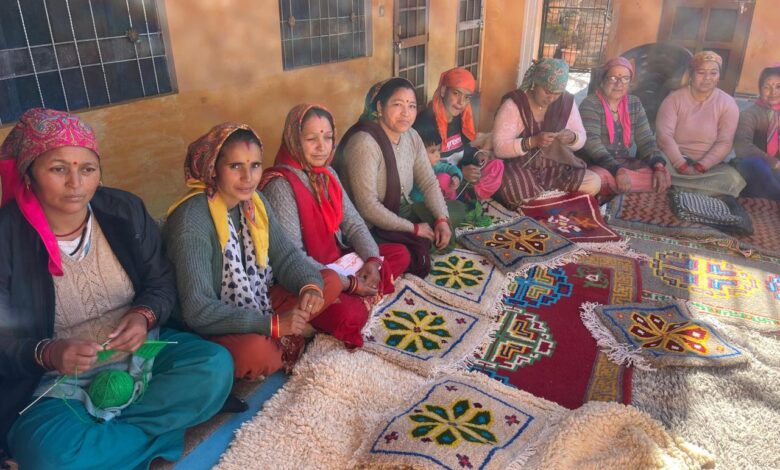
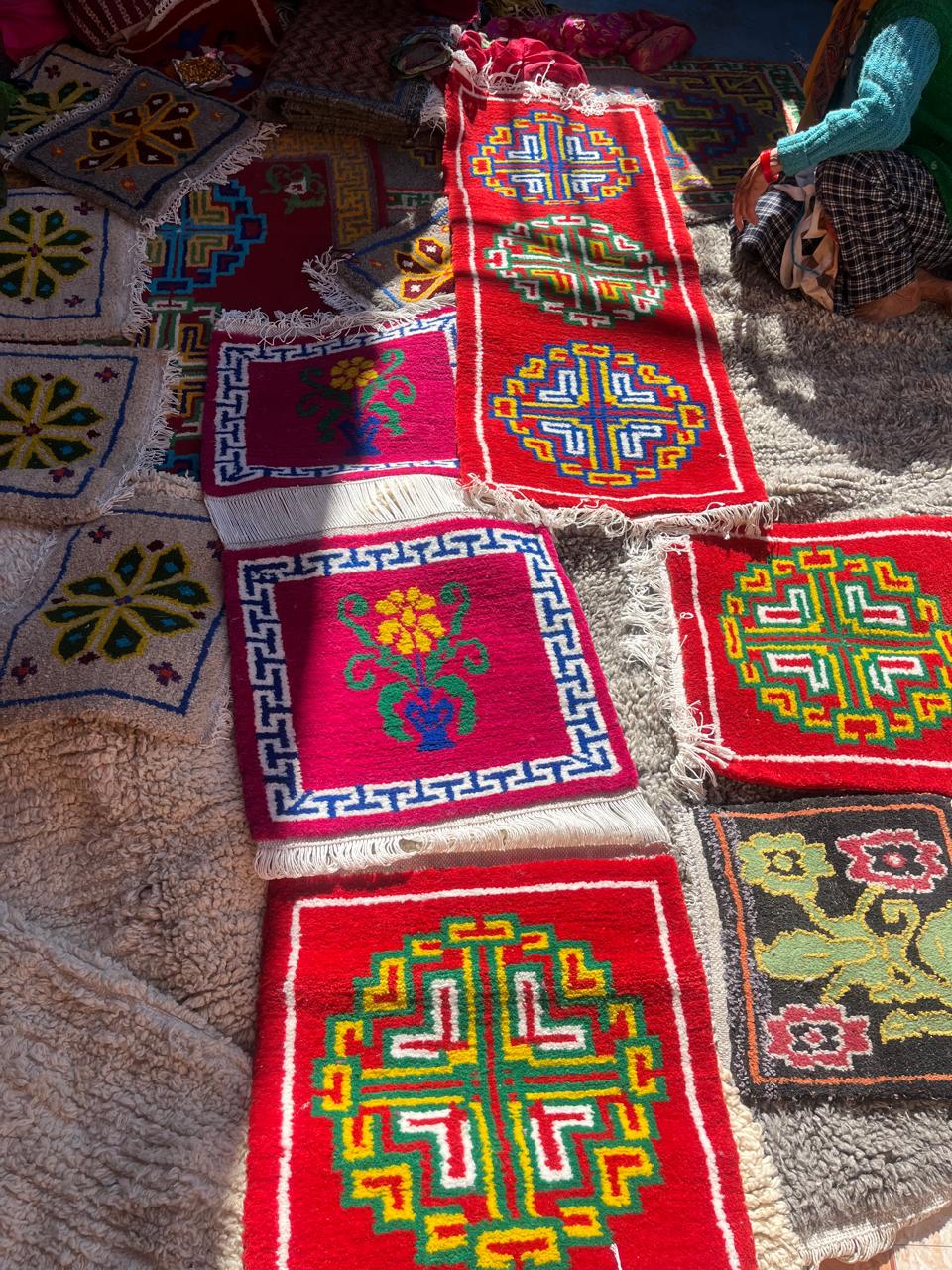
Women and the pastoral community of the Niti-Mana region in Chamoli district of Uttarakhand on China border had been weaving wool for generations. Woolen garments like thick blankets, shawls, ‘Thulma’, and ‘Chutka’ were once the identity of this area. These were woven from the indigenous wool of local ‘Palasi’ sheep. This wool protected them from the bitter harsh Himalayan cold and was also their livelihood.
But with time, the market changed everything. With trucks filled with acrylic yarn arriving in these villages several times a year. These cheap, shiny threads attracted the women of the mountains because they can be used to quickly make hats, socks, and sweaters. These items sold well in pilgrimage places like Badrinath, Kedarnath. The women who sold these goods for Rs 100 or Rs. 200 thought that they made good income. However, the reality was quite the opposite – the traders were the ones who made the profit. The women’s hard work was trapped by cheap raw materials and low prices. Traditional wool, original weaving techniques, and their true identity started gradually disappearing.
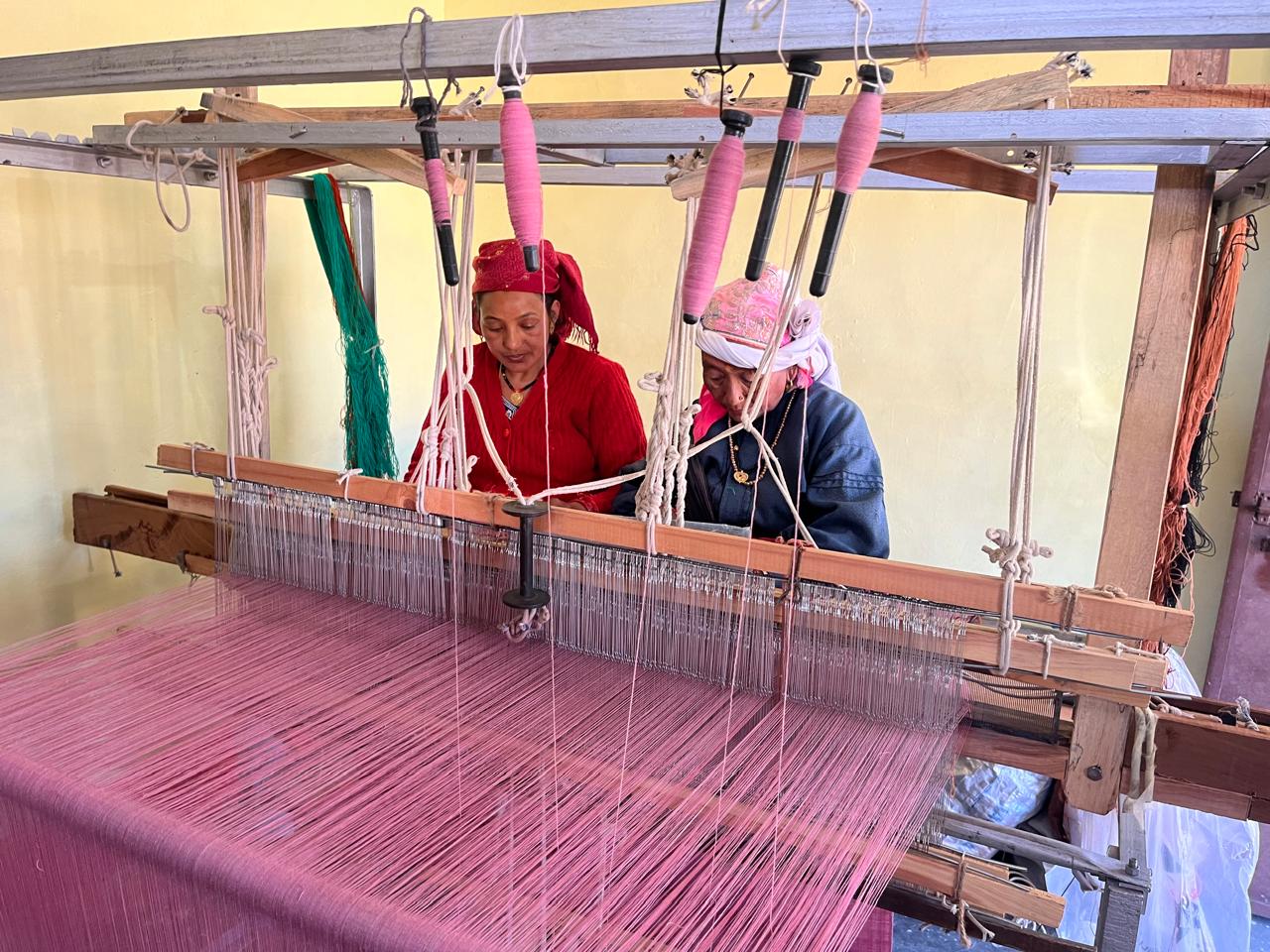
In Uttarakhand, the objective of ‘Looms of Niti-Mana’ is very simple: to make women owners, not labourers. The main aim of the initiative was to revive the traditional wool craft, bringing back authentic Himalayan garments made from the indigenous wool of ‘Palasi’ sheep to the market and to develop new hemp and wool-based products so that premium and sustainable products can be made from mountain materials.
It also aimed at creating producer cooperatives in the villages so that women and artisans can collectively decide what will be made, how it will be made, and at what price it will be sold. Abhilasha Bahuguna, founder of “Looms of Ladakh”, explained that they conducted this experiment in Ladakh, where women are using local wool to create new designs based on market demand. This has generated great enthusiasm among the local women, and the program is being successfully implemented by them, resulting in a significant increase in their income. That is why they are also implementing this program in Niti-Mana area to empower the women there as well.
Delhi Exhibition: A Historic Turning Point
When the members of the Niti-Mana Cooperative went to the exhibition in Delhi, they were in a dilemma: should they take cheap acrylic products or their expensive, authentic products made from indigenous wool? They feared that city customers would only want cheaper products. But the opposite happened. Their indigenous wool products sold at premium prices in Delhi. People recognized the quality, the story, and the Himalayan heritage. It wasn’t just a sale; it was a return of confidence.
Shreyansh Joshi, District Development Manager of the National Bank for Agriculture and Rural Development (NABARD), Chamoli, said that if women and artisans create high-quality, new designs of handloom products from local materials according to market demand, it will definitely improve the livelihoods of local women. He added that NABARD always supports local people in becoming self-reliant.
The Niti-Mana Cooperative Society is being established by Abhilasha Bahuguna, founder of the “Looms of Ladakh” women’s team, Mahesh Khankriyal of Manav Seva Samiti, and the elected members of the Niti-Mana Cooperative Society, Kundan Singh Takola, Nandi Rana, Kishore Badwal, and Narendra Rana. Here, they are not just only weaving but they are weaving the future. The Niti-Mana Cooperative Society means that women will now weave not just threads, but their own future. Where they were once trapped in the clutches of cheap yarn suppliers, they will now be the masters of their own wool, their own hands, and their own identity. This marks the beginning of a self-reliant, dignified, and sustainable livelihood initiative from the mountains of Chamoli.