Van Gujjars at the receiving end of the wrath of Hindutva forces in Jaunsar-Bawar; eight families displaced
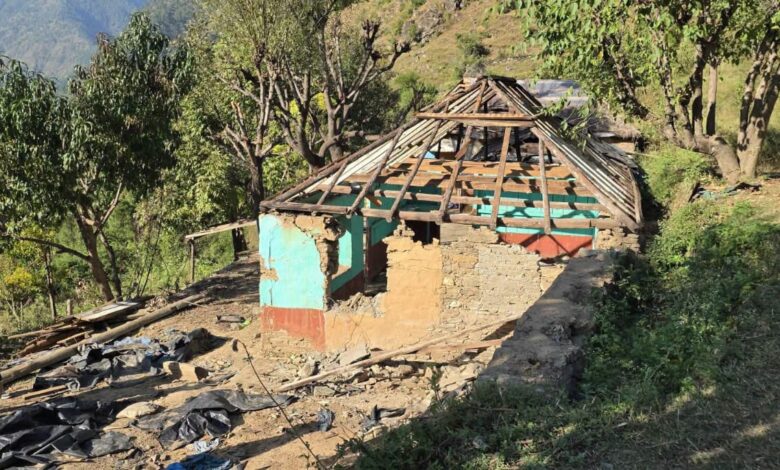
Van Gujjars at the receiving end of the wrath of Hindutva forces in Jaunsar-Bawar; eight families displaced
S.M.A. KAZMI
Dehradun, Oct 21
Eight Van Gujjar families have allegedly been evicted from their homes and their houses demolished in the Jaunsar-Bawar region of Dehradun district, amid a campaign by Hindutva organisations against the settlement of Muslims in the area. Notices have also been served on around a dozen other Van Gujjar families, raising concerns about their land rights, access to legal representation and safety.
The Van Gujjars, a small pastoral Muslim tribal community whose members say they have lived in the region for generations, are facing allegations of illegal occupation of land in the Tyuni tehsil of the Chakrata subdivision. Community representatives allege that members of Hindutva organisations have been intimidating them, physically assaulting them and pressuring local lawyers not to represent them in proceedings before the authorities.
With the Uttarakhand Assembly elections approaching, the developments have revived concerns among the community over campaigns centred on alleged demographic change and the presence of Muslims in the hill state. Similar narratives were prominent ahead of the 2022 Assembly elections, and the Van Gujjars fear that they are now being targeted in the Jaunsar-Bawar region.
The latest proceedings followed complaints by Manoj Bijalwan, president of Rudra Sena, and Rakesh Tomar Uttarakhandi, both associated with Hindutva organisations. Acting on the complaints, the revenue authorities initiated proceedings under Section 211 of the Uttar Pradesh Zamindari Abolition and Land Reforms Act and issued notices asking the Van Gujjars to establish the legality of their occupation of the disputed land.
The issue has acquired particular significance because the Jaunsar-Bawar region was declared a Scheduled Tribe area by the Union government in 1967. The Van Gujjars, however, maintain that their presence in the region predates the notification and that their families have traditionally depended on the forests and surrounding land for their livelihood.
Rakesh Tomar Uttarakhandi and his organisation, Rudra Sena, have been campaigning against the presence of Van Gujjars and members of the Balti community in the Chakrata and Jaunsar-Bawar areas. Tomar has also used social media to allege that approximately 700 bighas of valuable land in the region have been illegally occupied by Van Gujjars and other outsiders. The Van Gujjars and Balti people had migrated along back from erstwhile J&K state long back, While Van Gujjars are residing in forests of terai of Garhwal and Kumoan having their pastoral lands in garhwal and Kumoan hills, the people from baltistan are concentrated in Vikasnagar and Kalis area.
According to the allegations circulated by the group, the land was recorded in the names of outsiders in 1983 through the alleged manipulation of revenue records, in violation of regulations governing land transfers in the Scheduled Tribe area. The group has demanded that the disputed land be brought under government control and that action be taken against structures allegedly built illegally on it.
Following complaints and protests, the Dehradun District Magistrate directed the Sub-Divisional Magistrates of Tyuni and Chakrata to initiate proceedings under Section 211 of the Act. The concerned SDM courts subsequently issued notices summoning the families to establish the legality of their landholdings and submit their replies.
Tensions escalated on October 16, when Rudra Sena activists gathered outside the tehsil offices in Chakrata and Tyuni on the scheduled date of the proceedings. According to accounts provided by the Van Gujjars, protesters raised slogans against the community and allegedly described its members as “Jehadis”, “Ghuspaithiyas”, “Bangladeshis” and “anti-national”, while demanding their removal from the region.
The Van Gujjars said they faced a hostile crowd outside the court premises in the absence of the SDM. A confrontation reportedly broke out when a member of the community attempted to photograph the gathering on his mobile phone.
Rudra Sena subsequently lodged a complaint against two Van Gujjars, alleging that they had behaved inappropriately towards the organisation’s office-bearers. The police, however, detained one of the Van Gujjars on charges relating to breach of peace, according to community representatives, who alleged that the action was taken against them despite the alleged intimidation by the protesters.
The community has also alleged that pressure was exerted on local lawyers to dissuade them from taking up the Van Gujjars’ cases, potentially leaving the largely illiterate pastoral families without adequate legal assistance to defend their land claims.
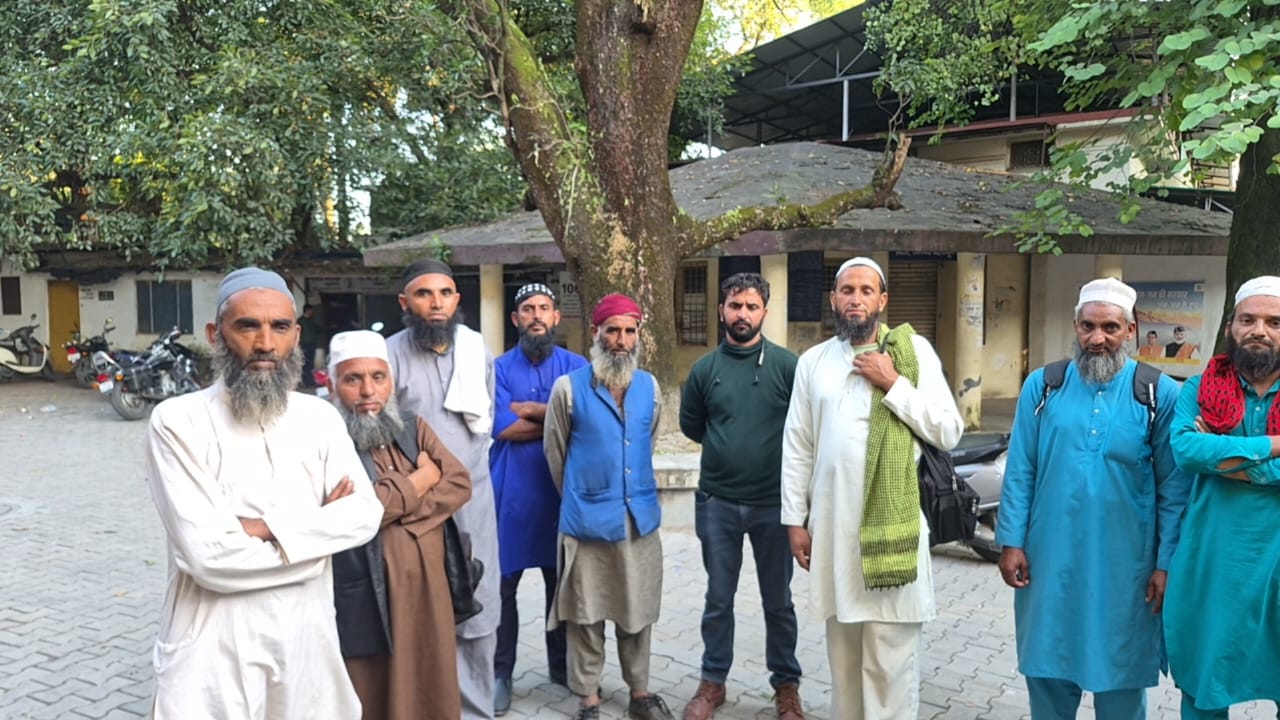
Aquib Qureshi, vice-president of the Muslim Sewa Sangathan, alleged that Rakesh Tomar Uttarakhandi had been targeting Muslims and accused the police and administration of failing to adequately protect the Van Gujjars.
“The Van Gujjars should not be discriminated against merely because they are Muslims. They have been living in the forests of Uttarakhand for generations,” Qureshi said.
The Van Gujjar families maintain that they have been residing in the region since at least 1951-52, if not earlier, and have traditionally depended on forest resources for their livelihood. They have also cited earlier judicial directions concerning their rights under the Forest Rights Act, 2006, arguing that they cannot be forcibly evicted without due consideration of their claims.
The community has referred to an order of the Nainital High Court that, according to its representatives, protects Van Gujjars against forcible eviction until claims filed under the Forest Rights Act are resolved. The precise scope and applicability of the order to the present proceedings remain to be established.
Meanwhile, Hindutva group has demanded that the disputed 700-bigha tract be taken over by the government and that action be initiated against what they describe as illegal encroachments. Eight families have already been displaced, and their houses have reportedly been demolished.
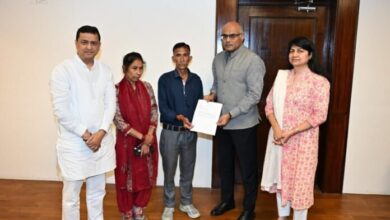
A delegation of Van Gujjars met Dehradun District Magistrate Ashish Chauhan on October 19 and submitted a memorandum seeking the transfer of their cases from Tyuni and Chakrata to Vikasnagar or Dehradun.
The delegation argued that members of the community were being prevented from securing legal representation in the two tehsils and, owing to their lack of education and legal knowledge, could not effectively defend themselves without the assistance of lawyers. The district administration has yet to take a decision on their request.
Significantly, the developments have so far elicited no response from the Congress, the principal opposition party in Uttarakhand. Pritam Singh, the party’s MLA from Chakrata, has not publicly commented on the issue, despite the reported displacement of the eight families and the wider concerns over the rights and security of the Van Gujjar community.