FeaturedHimachal PradeshInternationalinternational, political, nationalJammu & KashmirNationalPoliticsUttarakhand

Reality behind the propaganda of “Demographic Change” in Uttarakhand

Reality behind the propaganda of “Demographic Change” in Uttarakhand

Khursheed Ahmed Siddiqui

Dehradun, Jan 4

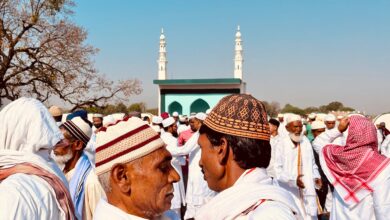
Whenever the slogan of “demographic change” is raised in Indian politics, it usually conceals an electoral or political interest. In recent times, Uttarakhand has also been made the focal point of such debates, with claims that the state’s population structure is changing and that Muslims—especially those labeled as “outsiders”—are responsible for it.

The question is whether this claim is rooted in historical and constitutional facts, or whether it is part of a well-planned and organized propaganda strategy.

The history of Uttarakhand has never been confined to a single religion or culture. For centuries, this region has represented a shared heritage of diverse religions, languages, and cultures. A living example of this composite tradition is the legacy of the Mahant of Sri Guru ram rai Darbar whom  land grant was bestowed by the Mughal emperor Aurangzeb.

Subsequently, during the British period, people from different communities settled here due to commercial, administrative, and military requirements. Even after Independence, internal migration in search of employment, education, and a better life has remained a natural process.

The presence of the Muslim population is part of this historical continuity, not the result of any sudden or conspiratorial plan.

If census data is taken into account, it becomes clear that the proportion of Muslims in Uttarakhand is not only lower than in many other states of India but also below the national average. Whatever population growth has occurred is largely due to natural birth rates and internal migration—phenomena common to all communities.

Describing this natural social process as a “demographic attack” reflects less about reality and more about a particular political mindset and attitude toward Muslims within the majority society.

From a constitutional perspective, the Indian Constitution grants every citizen the freedom to live, work, and practice their religion in any part of the country. Viewing any community with suspicion on the basis of religion is a clear violation of Articles 14, 15, and 19 of the Constitution. When the Constitution recognizes all citizens as equal, on what grounds can the presence of a particular religious community be portrayed as a threat?

The truth is that the narrative of “demographic change” is often used to divert attention from real and pressing issues. Instead of addressing fundamental concerns such as unemployment, inflation, education, and healthcare, it is politically easier to entangle the public in religious fear and target a specific community. The greatest casualty of this approach is social harmony, while an entire community is unjustly subjected to blame and stigmatization.

It would not be incorrect to say that the uproar over “demographic change” in Uttarakhand is largely a political tactic, rooted not in facts but in fear and prejudice. In a democratic society, differences must be resolved through the Constitution, history, and reason—not by spreading hatred, indulging in baseless accusations, and turning one community, particularly the Muslim community, into the center of unfounded hostility.


Related Articles

Leave a Reply

Your email address will not be published. Required fields are marked *

Back to top button
error: Content is protected !!