Waste to Resource Action Programme
Waste to Resource Action Programme
By Vipin Kumar
Dehradun , Nov 17
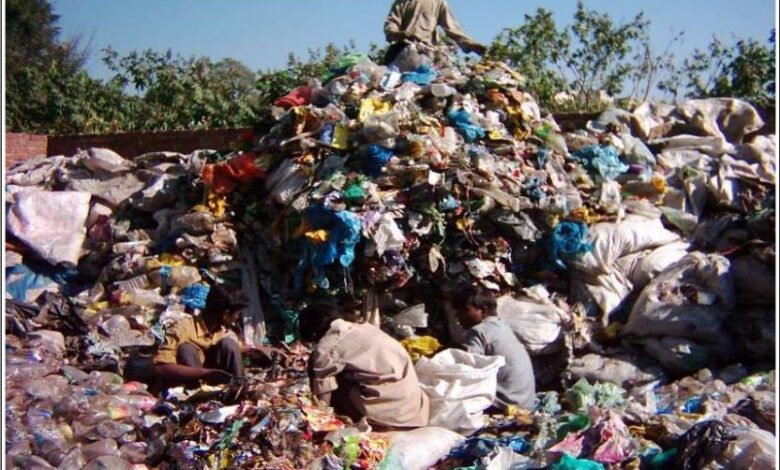
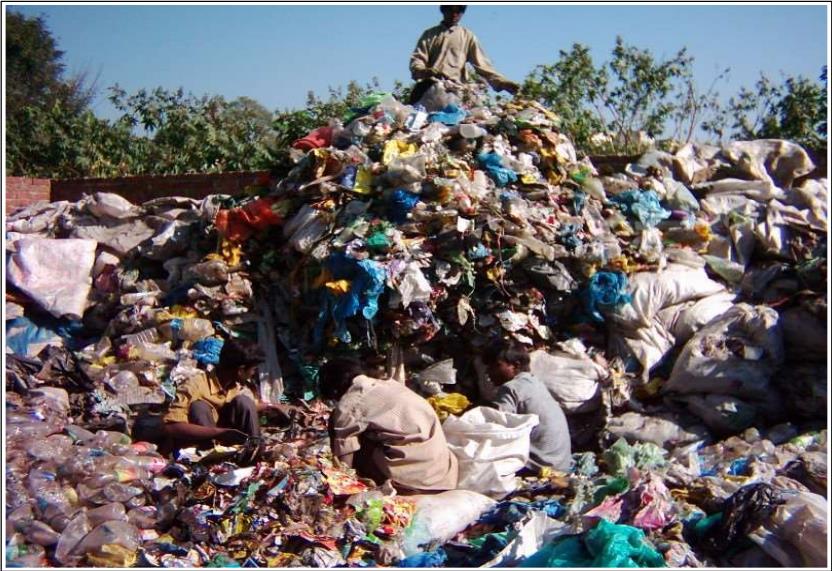
The Non-biodegradable waste disposed in the Municipal Solid Waste stream is a resource and it can only be recovered through a value chain. It implies treating the low value garbage as secondary raw material through value addition with end use linkage through recycling. The backup mechanism for use of such material needs to be understood in the context of a hierarchy of carbon recovery with a support price. Waste collection and component segregation is the first step followed with a strategy to minimize transportation cost through compaction of voluminous material like plastic and paper. The recycling of such material saves on use of energy, checks carbon emissions and saves natural resources.
The short cut methods of disposing garbage through burning leads to release of carbon in gaseous form with precipitation of heavy metals in the bottom ash. The leaching of such metals in the ground water and their washing off after a torrent, may lead to their transfer to the human body through bio-magnification or direct consumption.Thus burning technologies which includes incineration under controlled conditions is not a solution to manage and dispose of municipal solid waste.
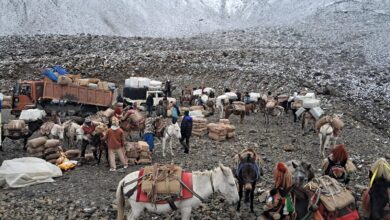
Value Chain in Plastics post segregation by waste pickers formalized in the system at Joshimath and other Hill destinations in Uttarakhand ( Developed by Vipin Kumar)
Value Chain in Plastic waste management in High Hills The Char Dhams besides being religious centers are landscapes of incommensurable values. Millions of pilgrims and tourists visit them every year to satiate their spiritual urge. The spinoff of such an activity leads to generation of huge quantum of waste which is either burnt or dumped in rivers. The Uttarakhand Tourism Development Board initiated an ambitious plan in the year 2008 for its collection and disposal through recycling through the Plan of their Plastic waste expert cum consultant Mr. Vipin Kumar . Four compactors were installed at JankiChatti on Yamunotri route, at Soneprayag on Kedarnath route and at Joshi math and Badrinath on the Badrinath route. The objective was to minimize the transportation cost and also the subsidy incurring in collection of waste due to seasonal nature of the Dhams and temporary stake holding. The segregated and compacted waste is transported from Joshimath and Badrinath to Kathgodam recycling plant. The success of the pilotizedprogramme in the Char Dhams has led to installation of eighteen more compactors at different destinations in the State. Since,there is value addition to waste a lot of non –biodegradablewaste is being diverted from the waste stream for recycling. The status of compactors as of 2015 is as follows:
Methodology and Technology
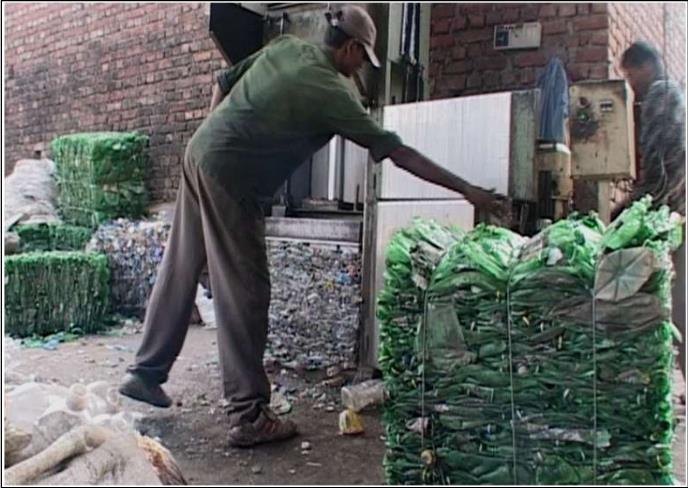
The compactor provides an integrated solution for collection, compaction and end use disposal of the non-biodegradable waste to the Urban Local Body and its surrounding area. The non- biodegradable waste which is left littered due to low value addition is disposed through the chain of recycling. The methodology is simple and replicable anywhere in the country more effectively in the hill regions of the country. Precisely, it is a process to minimize the exorbitant transportation costs accruing during the disposal of voluminous waste. The schematic below provides an overview of the role of compactor for handling the non-biodegradable waste especially plastics:-
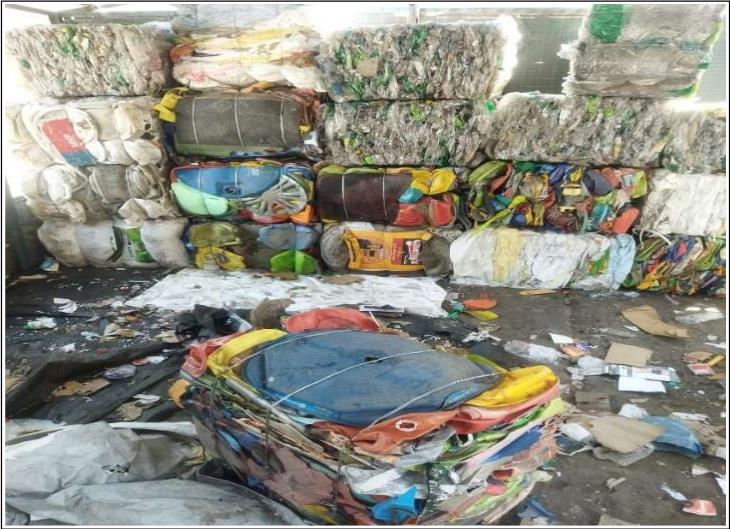
The compactor minimizes the volume of the non-biodegradable waste in the ratio 6:1 for all types of plastics, metal cans , paper, and also the multi layered laminated packagings. Once segregated and compacted the waste becomes a resource and is sold for a price which helps in creating jobs and cleaning the environment.
| S.No. | Destination | District |
| 1. | Dehra Dun (Private sector) | Dehra Dun |
| 2. | Mussoorie | Dehra Dun |
| 3. | JankiChatti (Yamunotri) | Uttarkashi |
| 4. | Gangotri | Uttarkashi |
| 5. | Badkot | Uttarkashi |
| 6. | Purola | Uttarkashi |
| 7. | Soneprayag | Rudraprayag |
| 8. | Badrinath | Chamoli |
| 9. | Gobindghat | Chamoli |
| 10. | Joshimath | Chamoli |
| 11. | Chamoli | Chamoli(Gopeshwar) |
| 12 | Karanprayag | Chamoli |
| 13. | Gochar | Chamoli |
| 14. | Bageshwar | Bageshwar |
| 15. | Pithoragarh | Pithoragarh |
| 16. | Almora | Almora |
| 17. | Champawat | Champawat |
| 18. | Lansdowne Cantonment | Pauri |
| 19. | Chamba | Tehri |
| 20. | Ranikhet Cantonment | Almora |
| 21. | Dwarahat | Almora |
| 22. | Lohaghat | Champawat |
| 23. | Bhimtaal | Nainital |
END USE DISPOSAL AT THE RECYCLING PLANT KATHGODAM,DISTRICT.NAINITAL ( 2009 onwards) and MujahidpurSatiwala in District Haridwar ( 2021) to be made functional shortly. Both the structures and technology were designed by the author of this article.
(Vipin Kumar is a renowned environmentalist who has been working on managing plastic waste in the Himalayas.)