Uttarakhand Mahila Manch, Uttarakhand Insaniyat Manch, and other social organizations protest against dalit youth murder
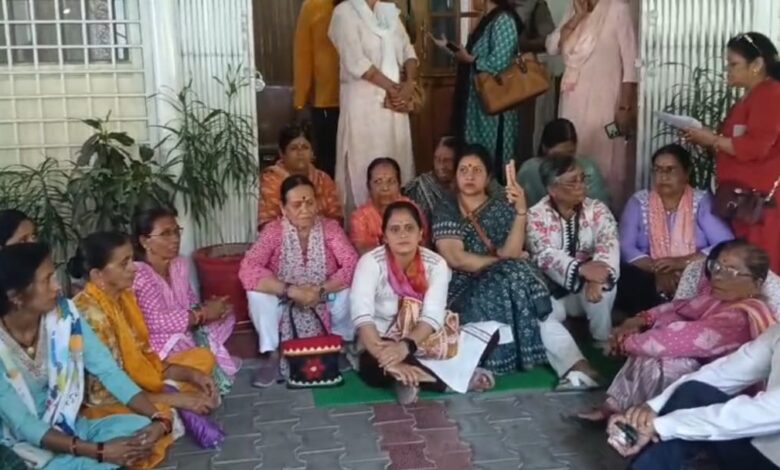
Uttarakhand Mahila Manch, Uttarakhand Insaniyat Manch, and other social organizations protest against dalit youth murder
Dehradun, June 12.
Representatives from the Uttarakhand Mahila Manch, Uttarakhand Insaniyat Manch, and various other social organizations submitted a memorandum addressed to the Chief Minister through Dehradun Additional City Magistrate to protest the brutal murder of Ketan, an 18-year-old Dalit youth, in the Lambgaon area of Tehri district. The memorandum demanded an impartial, time-bound, and high-level investigation into the incident, along with the strictest legal action against all those responsible.
The memorandum stated that preliminary facts suggest this case is not merely one of murder but involved caste-based hatred, social dominance, and inhumane cruelty. It is alleged that on the night of June 8, Ketan was summoned and subjected to severe assault and inhumane torture. Ketan, who was abandoned in a critically injured state, subsequently died. This incident has shocked the entire state, and there is deep outrage among sensitive sections of society, including the Dalit community.
The representatives asserted that falling in love is not a crime, and persecuting or murdering a young man due to his caste, social background, or personal relationships is a stain on civilized society. In a state like Uttarakhand, such incidents pose a serious challenge to the social fabric, constitutional values, and human rights.
The memorandum demanded a thorough investigation into the roles of the main accused as well as all accomplices, co-accused, and individuals who concealed evidence or aided the crime. It called for ensuring strict action against them under the relevant sections of the “Bharatiya Nyaya Sanhita’ and the Scheduled Castes and Scheduled Tribes (Prevention of Atrocities) Act. Furthermore, it urged that the case be heard in a fast-track court to ensure speedy justice for the victim’s family.
The organizations also demanded that the victim’s family be provided with adequate financial assistance, security, legal aid, and rehabilitation so that they do not face any fear, pressure, or social harassment. The memorandum stated that it is the responsibility of the government and the administration to provide a fear-free environment for every citizen of the state and to ensure the protection of the constitutional rights of vulnerable and marginalized sections of society.
The representatives who arrived to submit the memorandum reported that no competent official was available at the District Magistrate’s office due to the President of India’s scheduled program. When no official arrived to accept the memorandum even after a long wait, those present expressed deep resentment.
The protesters raised slogans against the Chief Minister and staged a sit-in outside the District Magistrate’s office complex. They argued that the administration should have shown sensitivity and accountability regarding a serious matter like the brutal murder of a Dalit youth.
Later, following persistent requests and pressure from the agitators, the Additional City Magistrate was summoned to the site, and the memorandum addressed to the Chief Minister was submitted through them.
The representatives stated that the Ketan murder case was not merely the killing of an individual but a direct assault on the rights to equality, dignity, and life guaranteed by the Constitution. They warned that failure to take strict and exemplary action against the culprits would send a wrong message to society and encourage such crimes. They demanded that the state government accord top priority to the case, ensure the immediate arrest of the perpetrators, and guarantee the imposition of the severest punishment.
Representatives and activists from the Uttarakhand Mahila Manch, Uttarakhand Insaniyat Manch, and various other social organizations participated in the protest and the submission of the memorandum. Key figures present included Kamala Pant, Nirmala Bisht, Sujata Paul, Naveen Mittal, R.C. Yadav, Vimla, Chandra, Padma Gupta, Yashveer Arya, Pankaj Singh Chhetri, Shanti Bisht, Shanti Negi, Kanti Kohli, Rani Negi, Pavanti Bisht, Yashveer Arya, Sneh Lata Shah, Raghunath Arya, Meena Shah, Vikram Singh, Jaspal Singh, Suresh Negi, Yaduveer Panwar, Meena Rana, Sushila Rana, Premlata Bahuguna, Deepa Negi, Pooja Nautiyal, Kavita Devi, and Parvati Kudiyal.