Bridging the Distance: Advancing Rural Healthcare through Awareness and Prevention – Dr. Sushil
Bridging the Distance: Advancing Rural Healthcare through Awareness and Prevention – Dr. Sushil
Poonch, June 14
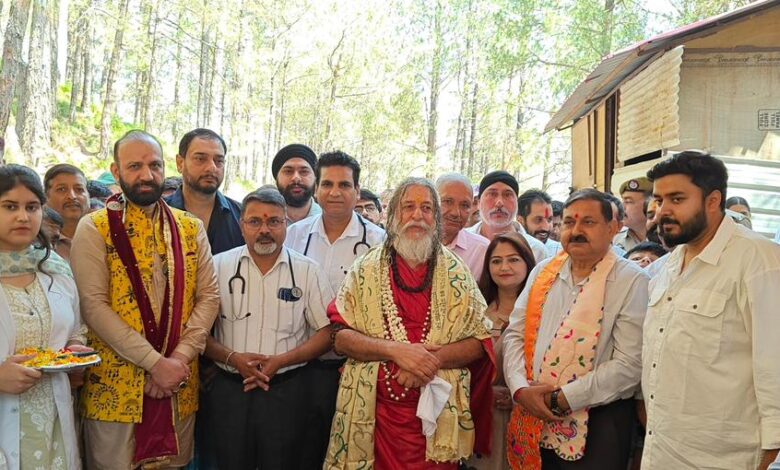
In an effort to strengthen healthcare awareness and reinforcing the message that quality healthcare must reach every individual irrespective of geographical boundaries, Head Department of Cardiology, GMCH Jammu, Dr. Sushil Sharma conducted a comprehensive cardiac awareness and health screening camp in association with SVS Charitable Trust at Yogi Tilla Shri Krishan Mandir, Krishna Ghati, Poonch. The camp was inaugurated by Shri 1008 Swami Vishwatmanand Saraswati Ji in the presence of Dr Sushil Sharma, Ashok Sharma, Deputy Commissioner Poonch, Sunil Sharma, President Bar Association Poonch, and several distinguished citizens and community leaders. The programme aimed to create awareness about the rising prevalence of cardiovascular diseases and other lifestyle-related disorders while promoting preventive healthcare practices among rural populations.
Speaking on the occasion, Shri 1008 Swami Vishwatmanand Saraswati Ji highlighted the profound relationship between spiritual well-being and physical health. He stated that true wellness encompasses not only the body but also the mind and spirit. According to him, inner peace, positive thinking, self-discipline, and spiritual awareness contribute significantly to maintaining good health and preventing stress-related disorders. He appreciated the efforts of Dr. Sushil Sharma and his team for bringing healthcare services directly to the people and fostering a culture of preventive healthcare in rural regions. Swami Ji remarked that such initiatives serve as a beacon of hope for communities that often remain deprived of specialized healthcare facilities. He further observed that health awareness program combined with spiritual guidance can inspire individuals to make informed lifestyle choices and embrace healthier living practices.
Addressing the gathering, Dr. Sushil Sharma observed that healthcare remains one of the fundamental pillars of human development, yet a significant proportion of rural communities continue to struggle with inadequate access to quality medical services. He emphasized that the challenges confronting rural healthcare extend beyond the mere absence of hospitals or specialists. Geographic isolation, financial limitations, delayed diagnosis, lack of health literacy, and insufficient medical infrastructure collectively contribute to poorer health outcomes in remote areas. He noted with concern that cardiovascular diseases, hypertension, diabetes, obesity, and stroke are increasingly affecting rural populations, often progressing silently until severe complications emerge. According to him, the widening burden of non-communicable diseases has transformed into a major public health concern that demands immediate attention and sustained intervention.
Dr. Sushil further highlighted that rural India is gradually facing an impending epidemic of obesity and cardiac ailments driven by changing lifestyles, unhealthy dietary habits, tobacco consumption, physical inactivity, and uncontrolled blood pressure. He remarked that many individuals remain unaware of the early warning signs of heart disease, allowing preventable conditions to advance unchecked. Stressing the importance of preventive medicine, he urged people to adopt heart-healthy habits including balanced nutrition, regular exercise, avoidance of tobacco products, stress management, and routine health check-ups. He explained that timely screening and early detection can significantly reduce the incidence of heart attacks, strokes, kidney disease, and other life-threatening complications. He also underscored the growing role of telemedicine, mobile healthcare services, and community-based health initiatives in narrowing the gap between specialized medical facilities and underserved populations.
During the camp, participants underwent health examinations and received personalized counseling regarding cardiovascular risk factors and disease prevention. The medical team educated attendees about the symptoms of hypertension, diabetes, heart attack, and stroke while emphasizing the importance of seeking timely medical assistance. Concluding the programme, Dr. Sushil Sharma reiterated that the journey toward better rural health requires collective commitment from healthcare professionals, policymakers, community leaders, and citizens. He asserted that strengthening primary healthcare networks, enhancing public awareness, embracing technological innovations, and encouraging community participation are essential steps toward achieving equitable healthcare for all. The camp concluded with a strong message that a healthier rural population is the foundation of a healthier nation and that every effort invested in preventive healthcare today will translate into a more productive, resilient, and prosperous society tomorrow.
Others who were part of this humane efforts Included Dr. Raghuveer Singh, Dr Parveen Sharma, Dr Shahbaz Khan, Dr R K Bajaj, Dr Maqsood , Dr Kunal Sharma, Dr Sonali Sharma, Dr Sourab Gupta, Dr Vishab Bandhu , Dr Sonia Sharma, Dr Aditya Sharma and Dr Adarsh Sharma Paramedics and Volunteers Included Gourav Sharma, Ashok Sharma, Rajkumar, Rahul Vaid, Paramveer Singh, Shubham Sharma, Maninder Singh, Rajinder Singh, Vikas Kumar, Nirvair Singh Bali , Nirjyote Singh ,AjeetPal Singh Josh ,Sumit Sharma and numerous Volunteers of the Trust.